Intelligence, Intellect, and the Quiet Wisdom of Other Species
February 07, 2026 Filed in:
Animal AwarenessRethinking Human Exceptionalism in a More-Than-Human World
These reflections arise from a lifelong listening to animals, to the natural world, and to the many ways intelligence expresses itself beyond human categories.
For much of human history, comparisons between humans and other animals have been shaped by assumptions rather than perception. We defined intelligence, awareness, emotional depth, decision-making, even spirituality, according to human standards and then measured other species against those measures. When animals appeared to fall short, the conclusion was not that our framework was incomplete, but that animals were.
That conclusion is now unraveling.
As research expands and as more humans learn to truly observe, listen to, and relate with animals, many of the supposed differences that once set humans apart are quietly dissolving. Tool-making, language and dialects, emotional complexity, planning, problem-solving, social intelligence, even cultural transmission—once held up as uniquely human—are now widely recognized across species.
What this reveals is not animal deficiency, but human perceptual blindness.
Yet even as these old distinctions fall away, a subtler hierarchy often remains intact. It centers on a last bastion of human exceptionalism: intellectual capacity. The ability to abstract, theorize, systematize, and build conceptual worlds is still frequently treated as proof of superior intelligence—and, by extension, superior spiritual status.
This is where the conversation needs to deepen.
Intelligence and Intellectual Capacity Are Not the Same
A critical distinction often goes unexamined: intelligence is not the same as intellectual capacity.
Intelligence, in its most fundamental sense, is the effective use of awareness in relationship to life. It is the ability to perceive what is happening, respond appropriately, learn from experience, solve problems within context, and maintain functional balance within one’s environment and relationships. This kind of intelligence is embodied, relational, and situational. It does not require abstraction. It does not require language. It does not require theories about itself.
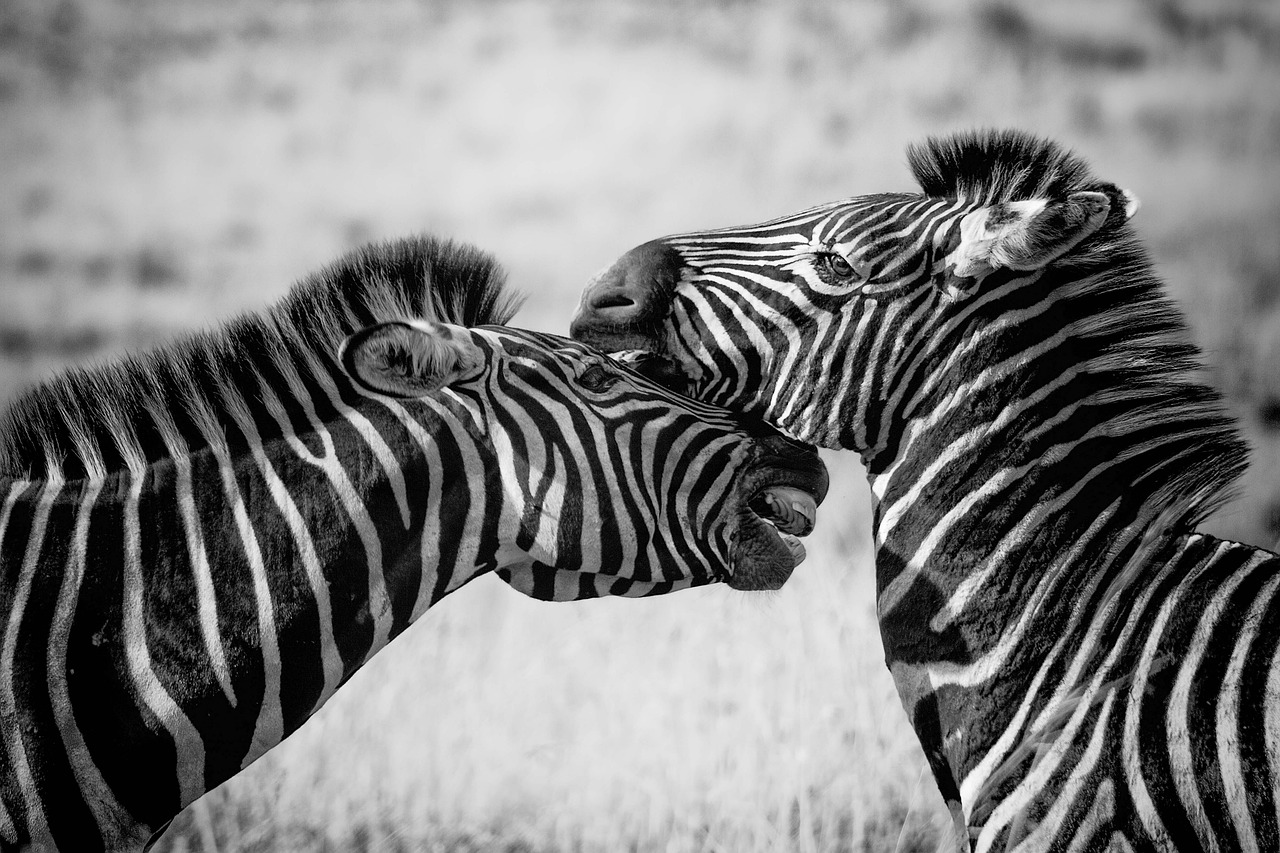
Animals demonstrate this form of intelligence constantly.
Intellectual capacity, by contrast, refers to the ability to abstract experience into symbols and concepts, to imagine hypothetical realities, to build layered explanations about how things might work, and to detach thought from immediate lived experience. Humans possess this capacity to an extraordinary degree. It is creative and powerful. It generates science, art, philosophy, technology, and spiritual cosmologies.
But it also allows us to wander far from direct reality.
Confusing these two capacities and treating intellectual abstraction as the highest form of intelligence has led to distorted conclusions about both animals and ourselves.
Difference Without Hierarchy
Humans and other animals do not differ in whether they are intelligent, but in how intelligence is expressed.
Animals are primarily oriented toward direct perception and immediate feedback. Their intelligence is participatory. It is embedded in the present moment, the body, the social group, and the land. They live within the web of life rather than conceptually above it. Their decisions arise from continuous attunement to changing conditions.
Humans are capable of this participatory intelligence as well, but we also possess the ability to step outside immediate experience and to create symbolic worlds layered atop the living one.
This additional capacity is not inherently superior. It is simply additional, and it comes with costs.
The Cost of Abstraction
Intellectual capacity can expand possibility, but it can also disconnect us from lived intelligence. Abstraction can pull us away from bodily knowing, relational attunement, and ecological immersion. It can replace wisdom born of experience with conceptual certainty. It can generate elaborate spiritual hierarchies that obscure unity rather than reveal it.
Animals do not travel this route, not because they are less evolved, but because their intelligence is fully invested in being alive.
This is not a lack. It is a different orientation.
When intellectual systems become overly abstract and complex, they may fascinate the mind while leaving the whole being unsatisfied. Understanding about life is not the same as living well within it. Many humans sense this gap intuitively, even when surrounded by brilliant theories and intricate models of reality.
At their best, intellectual systems are maps—useful, illuminating, and incomplete. They point toward truth but do not replace it.
Intelligence as Right Relationship
If intelligence were measured not by how much we can conceptualize reality, but by how well we live in relationship with ourselves, with others, and with the Earth, our rankings would look very different.
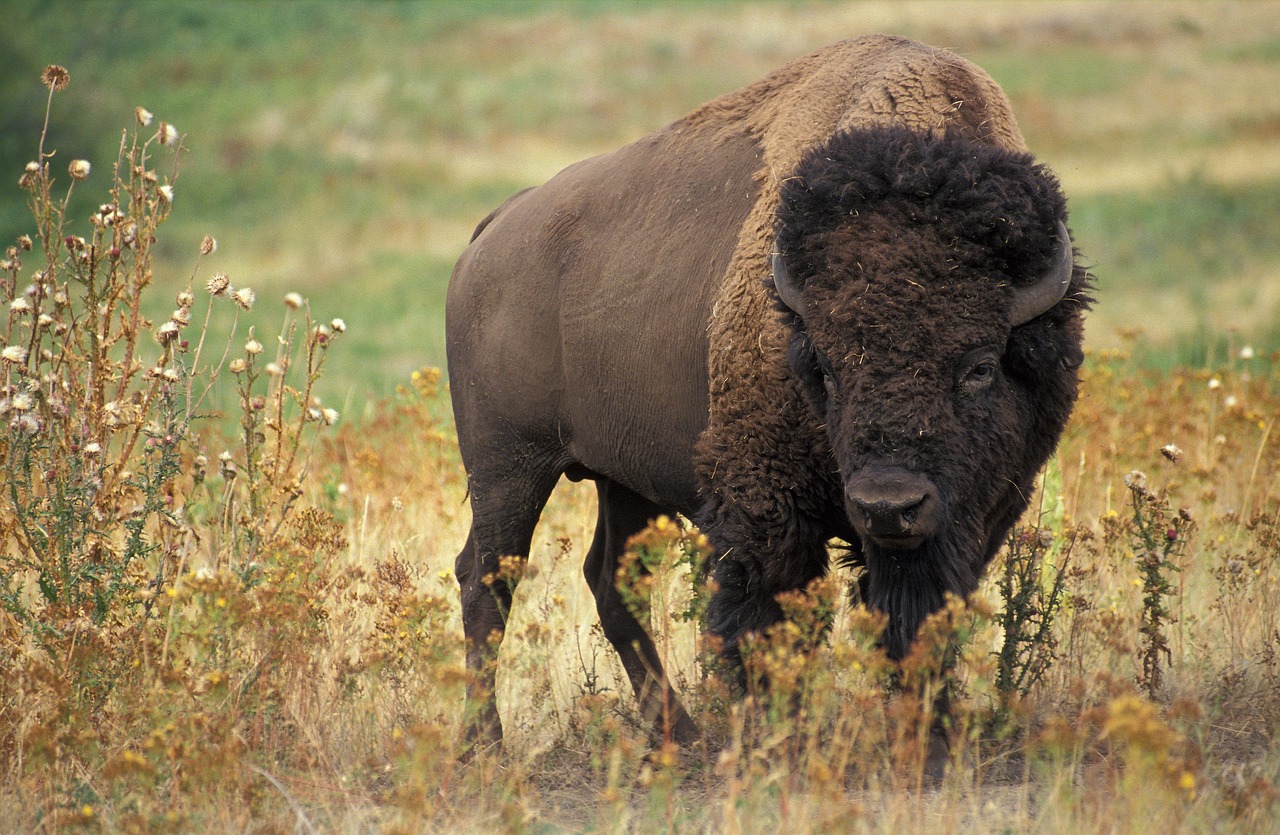 By this measure, animals often demonstrate extraordinary intelligence. Humans, despite immense intellectual capacity, sometimes act with remarkably little intelligence—disrupting ecosystems, ignoring feedback, overriding embodied wisdom, and mistaking control for understanding.
Spiritual maturity, likewise, is not guaranteed by cognitive complexity. It is revealed through presence, responsiveness, and alignment with life.
Animals may not construct cosmologies, debate metaphysics, or create computer simulations, but they participate fully in existence. They respond authentically. They maintain energetic coherence. They teach through being rather than explanation.
From a spiritual perspective, this looks far less like deficiency and far more like direct participation in the sacred.
The Myth of Human Superiority
The lingering idea that human intellect makes us superior or that other animals are somehow spiritually faulty or less evolved rests on a narrow value put on one particular capacity. It overlooks the intelligence required to live sustainably, relationally, and in harmony with the natural world.
Difference does not require hierarchy.
Distinct ways of being can coexist without ranking. Life expresses itself through many forms of intelligence, each suited to its context. No single species holds a monopoly on wisdom, awareness, or spiritual depth.
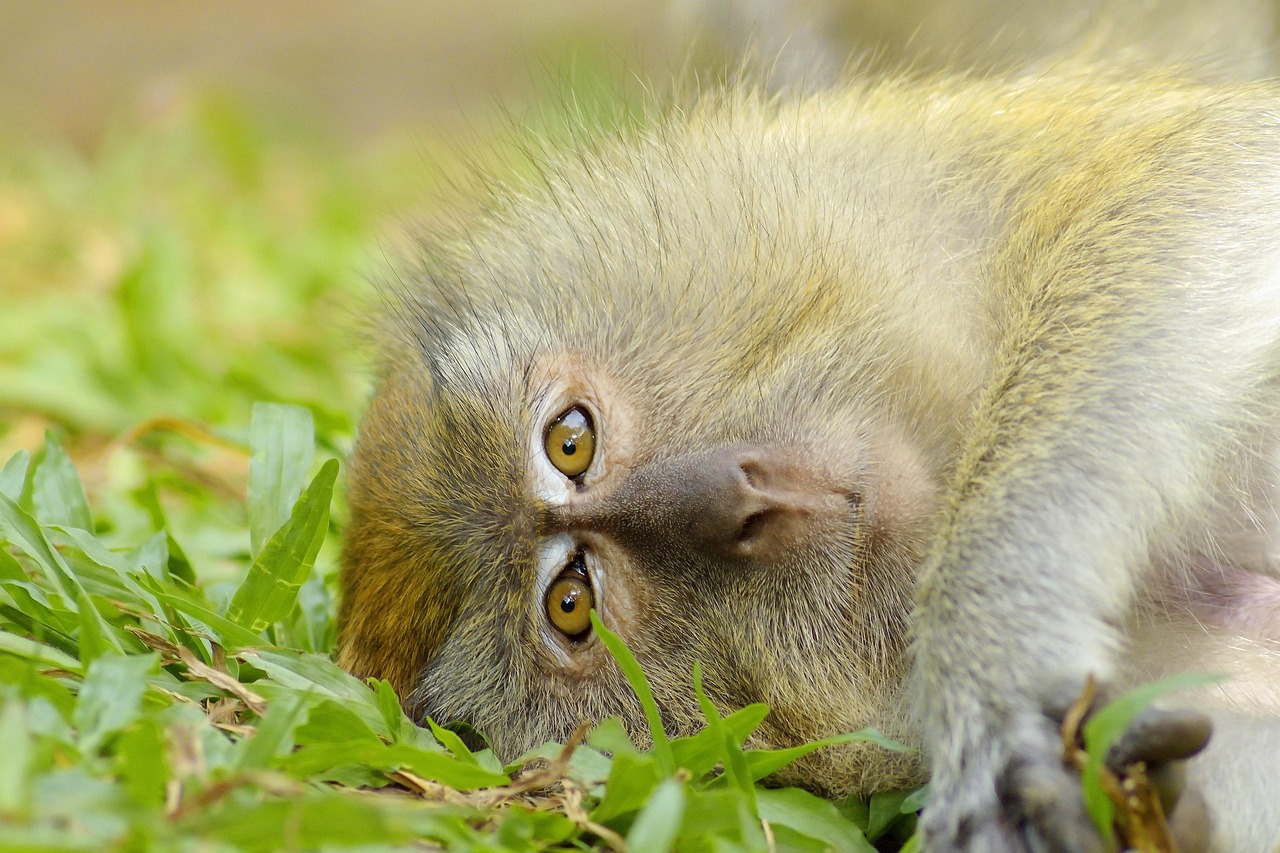
Animals, like humans, express spiritual awareness individually and uniquely. They are not frozen at a single level of consciousness. They grow, adapt, learn, grieve, bond, and choose.
Toward a More Honest Conversation
As humans expand their awareness of who animals truly are, the old debates about intelligence and superiority lose their footing. What emerges instead is a richer, humbler understanding: intelligence takes many forms. Intellectual capacity is one expression among many, not the measure of all.
Perhaps one of the great tasks of being human is learning how to let our remarkable intellect serve intelligence, rather than replace it, and to remember that wisdom does not belong to one species alone.
For that remembering and connection with the animals of Earth, I am deeply grateful.